The layout, lighting, and pieces I actually use to make a living room feel bigger, warmer, and more like you.
The living room is the hardest-working room in the house. It's where you crash after work, where everyone piles in on movie night, where guests form their first impression of your whole home. After years of designing these spaces for clients, I've learned that a great living room almost never comes down to budget — it comes down to a handful of decisions most people get wrong. Here are the ones that make the biggest difference, plus the pieces I'd actually put in the room.
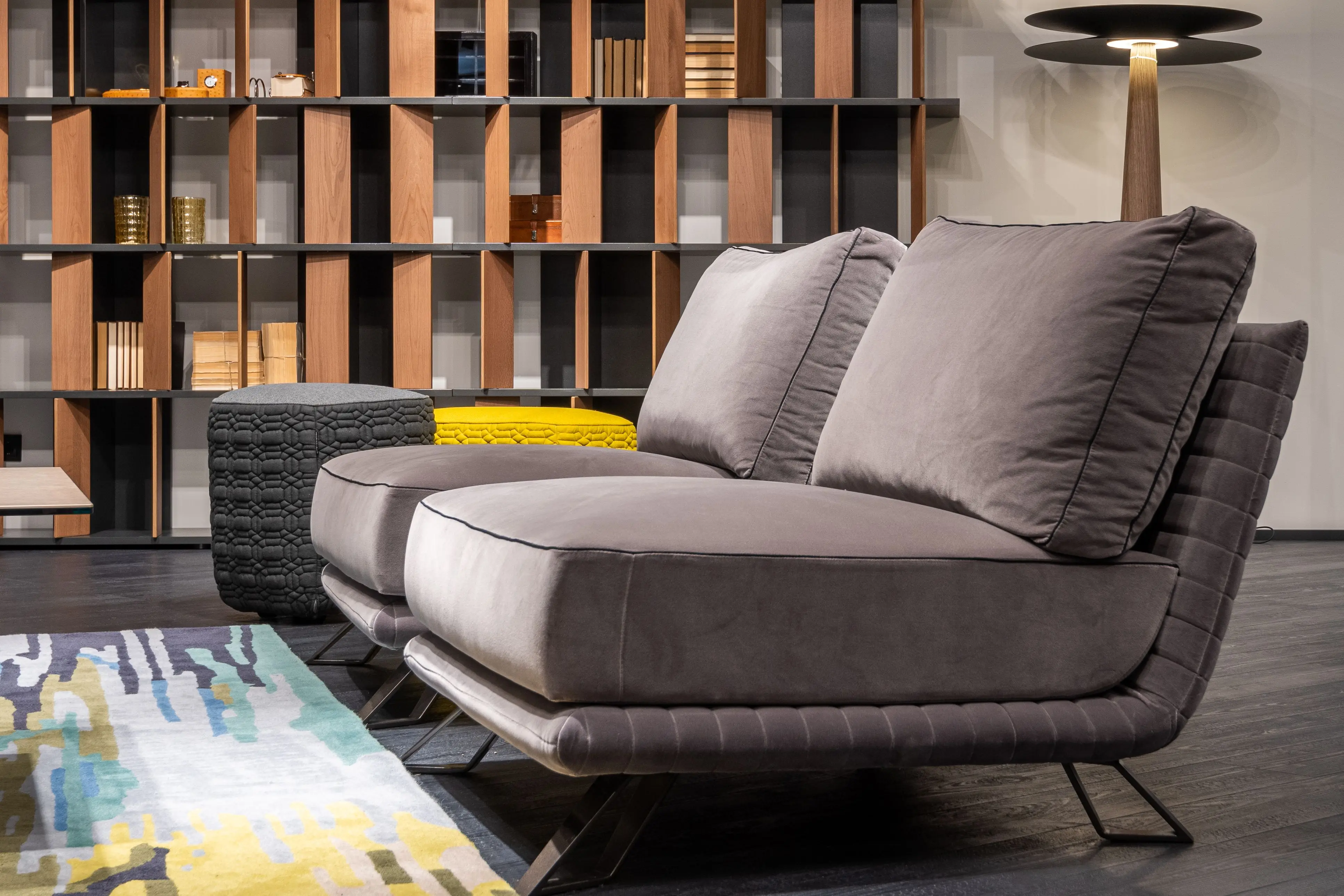
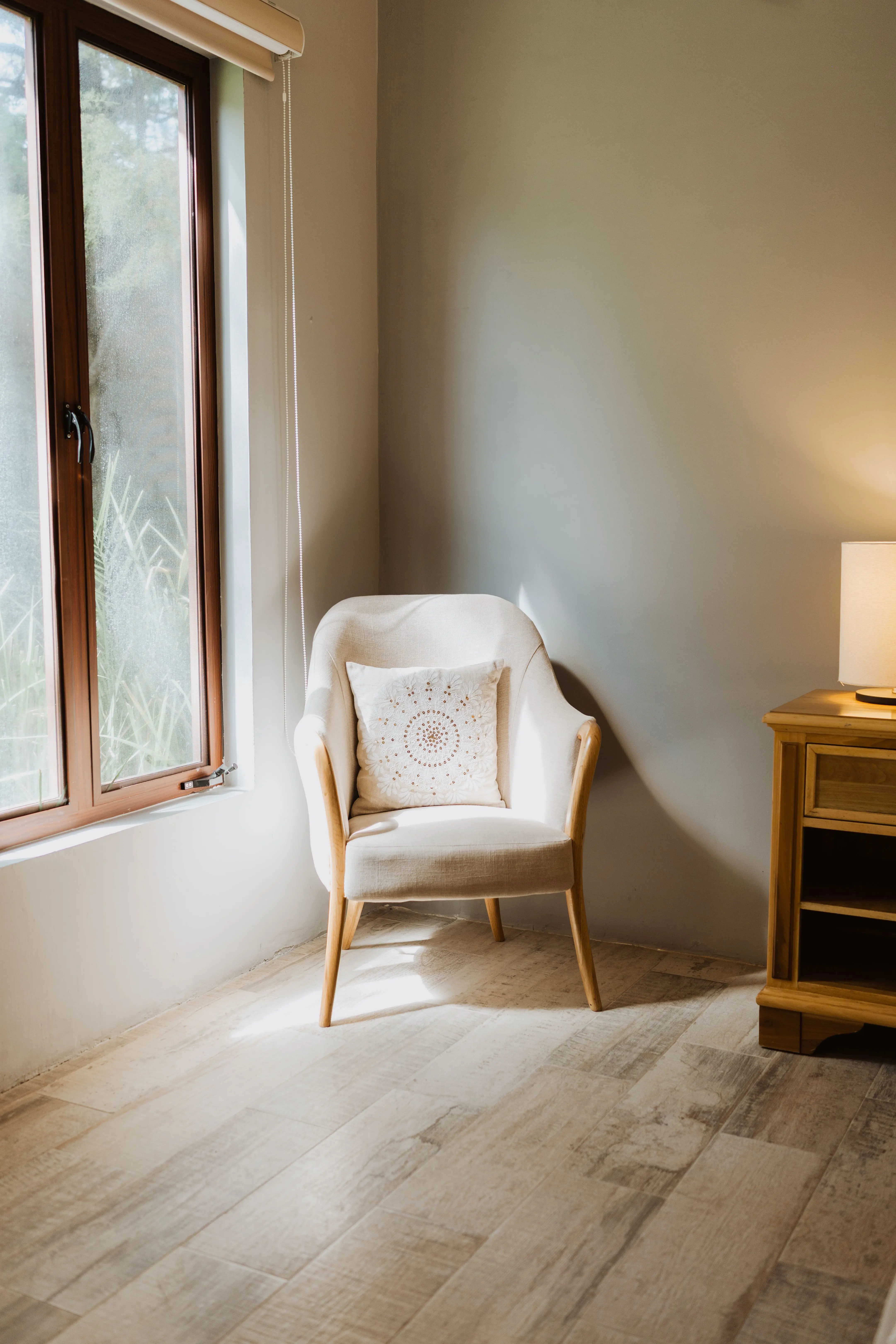
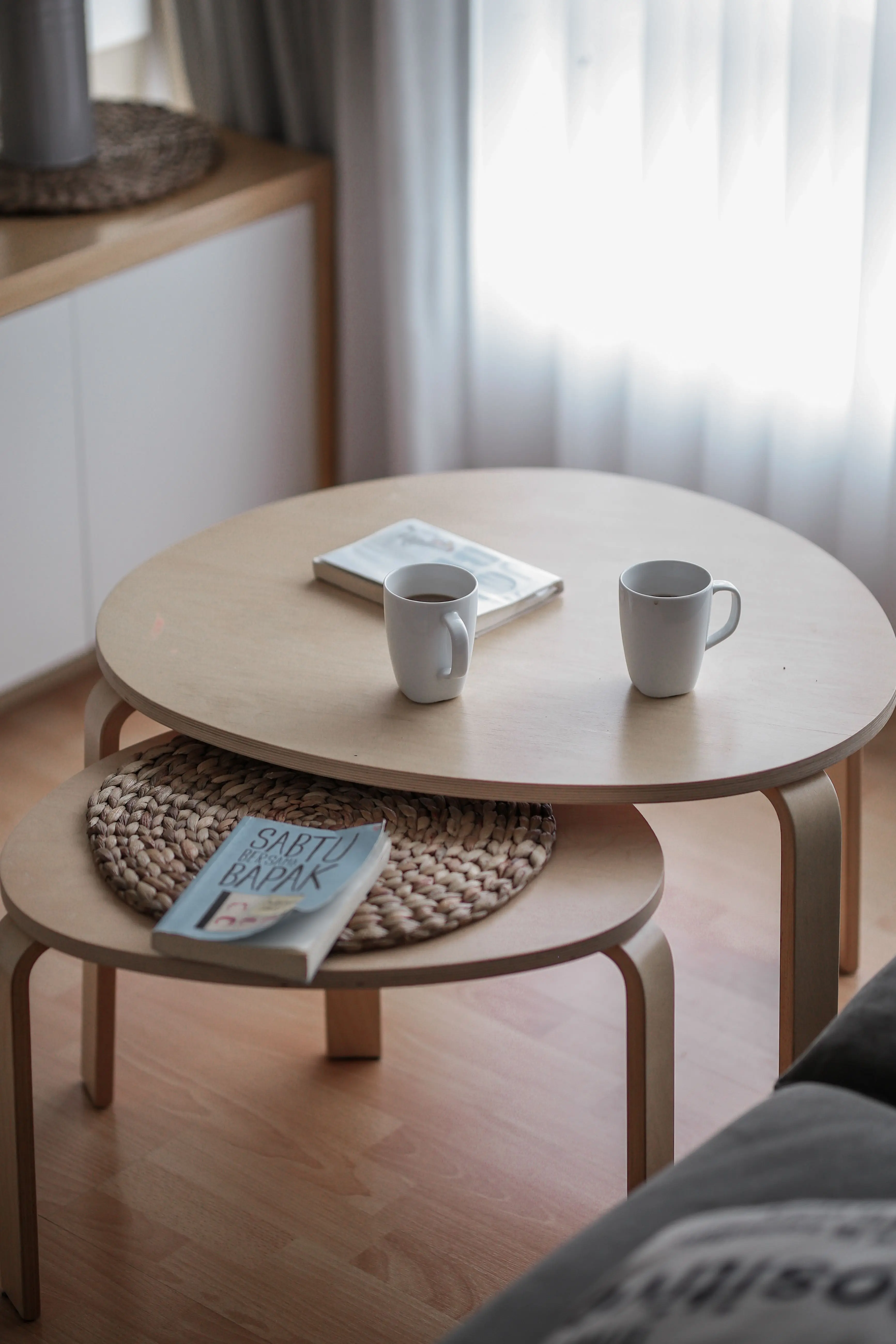
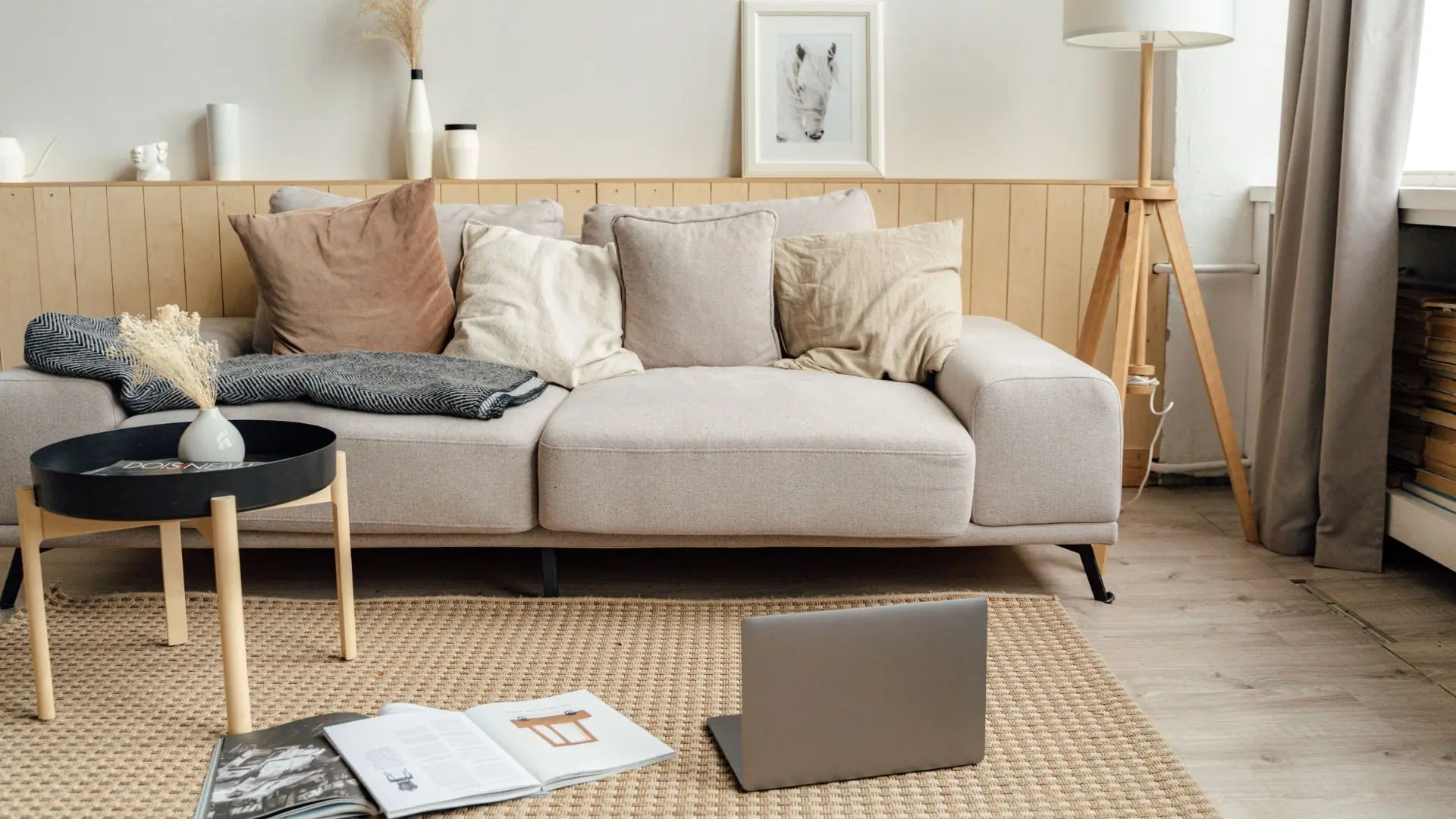
This is the first thing I look at when a client says their living room feels "cramped" but they can't explain why. Nine times out of ten, it's the furniture sitting flat on the floor. The second you can see the floor run underneath a sofa or chair, the whole room breathes. Skirted, boxy pieces swallow the floor and make everything feel heavier than it is. So look for sofas and chairs on slim, exposed legs — bonus points if they're wood or a warm metal. It's a small detail that does a shocking amount of work, especially in an apartment.
I know. It feels wrong. Every instinct says shove the couch against the wall and reclaim the floor. But even four or five inches of breathing room behind the sofa changes everything — the room suddenly looks intentional instead of like a waiting area. In bigger rooms, floating the seating away from the walls entirely is what separates a "furnished" room from a "designed" one. Try it before you decide it's not for you. Most people don't go back.
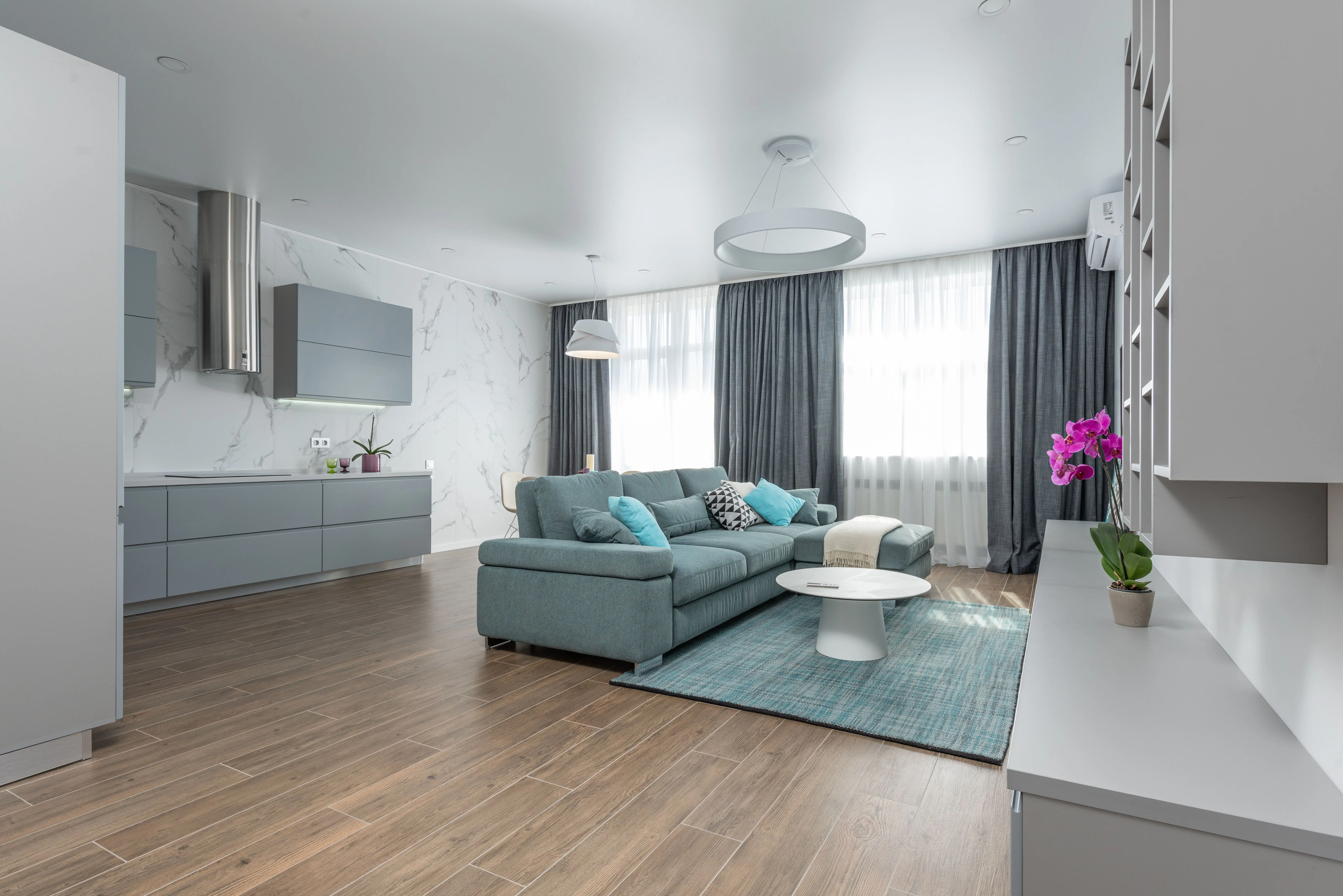
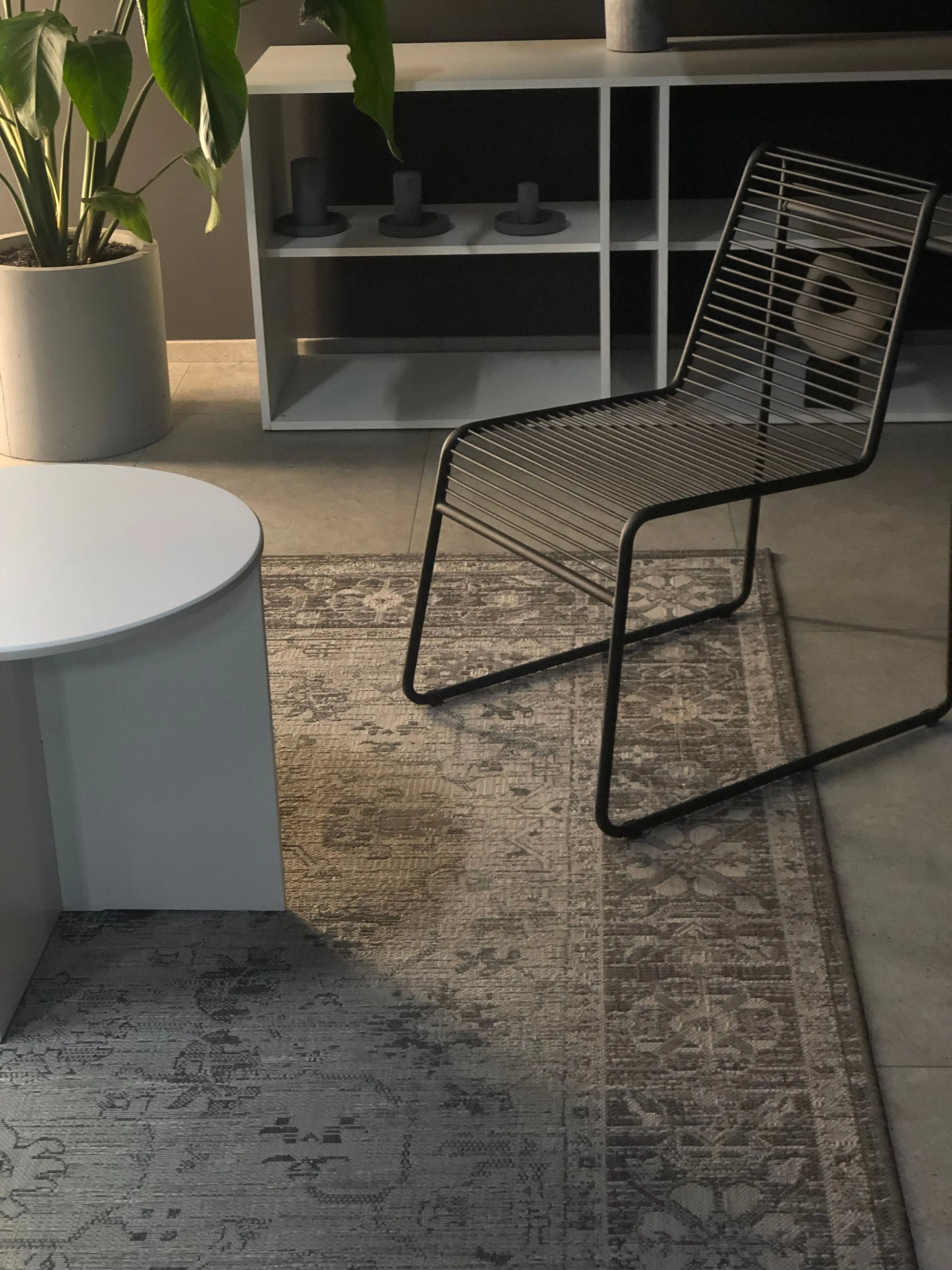
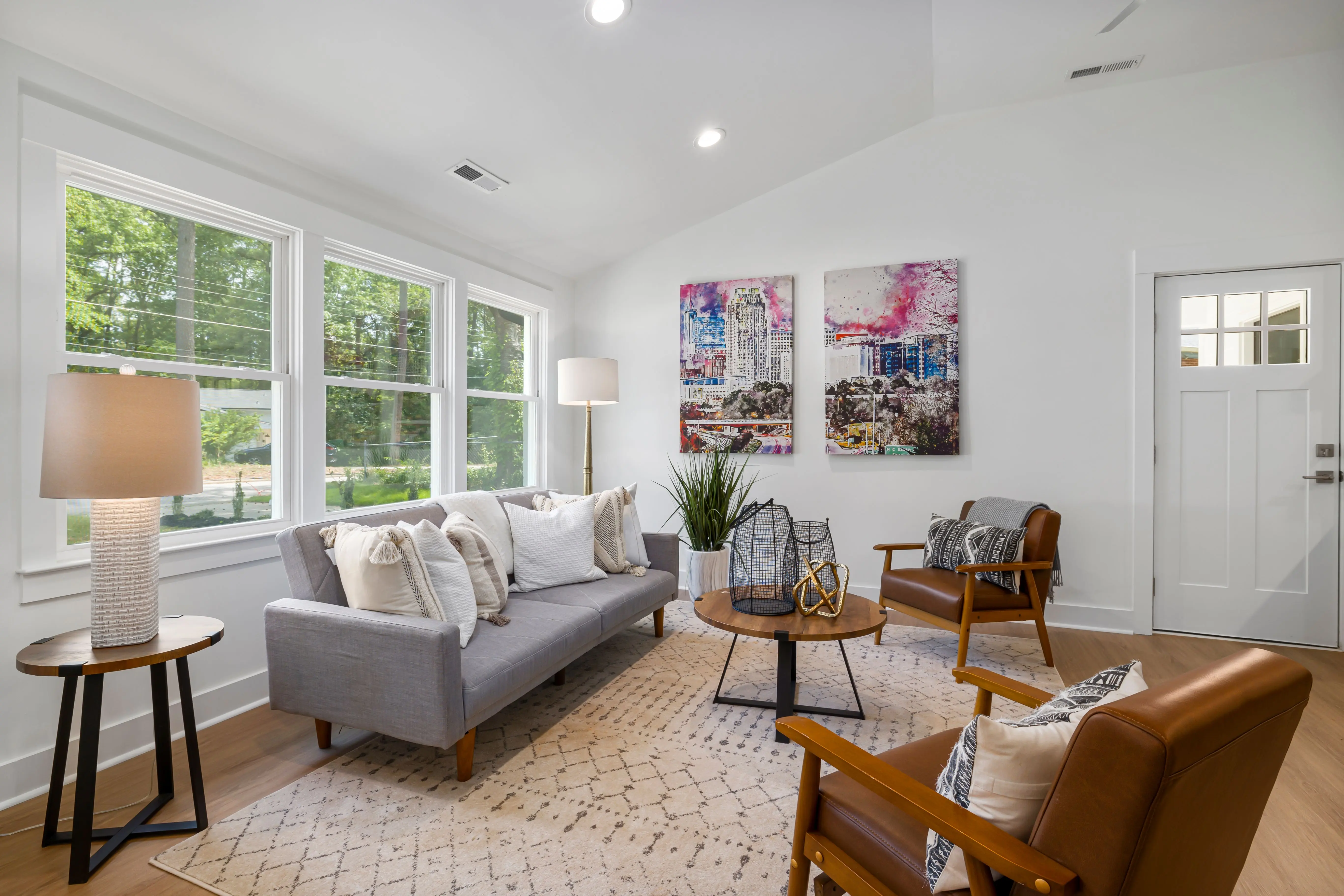
If I could fix one thing in American living rooms, it'd be the rug. That 5x7 floating in the middle of the room like a bath mat? It's making your space feel smaller, not bigger. The rule I give every client: get a rug large enough that at least the front legs of your sofa and chairs sit on it. That single move pulls the whole seating area together and instantly makes the room read as larger and more grounded. A too-small rug is the fastest way to make an expensive room look unfinished.
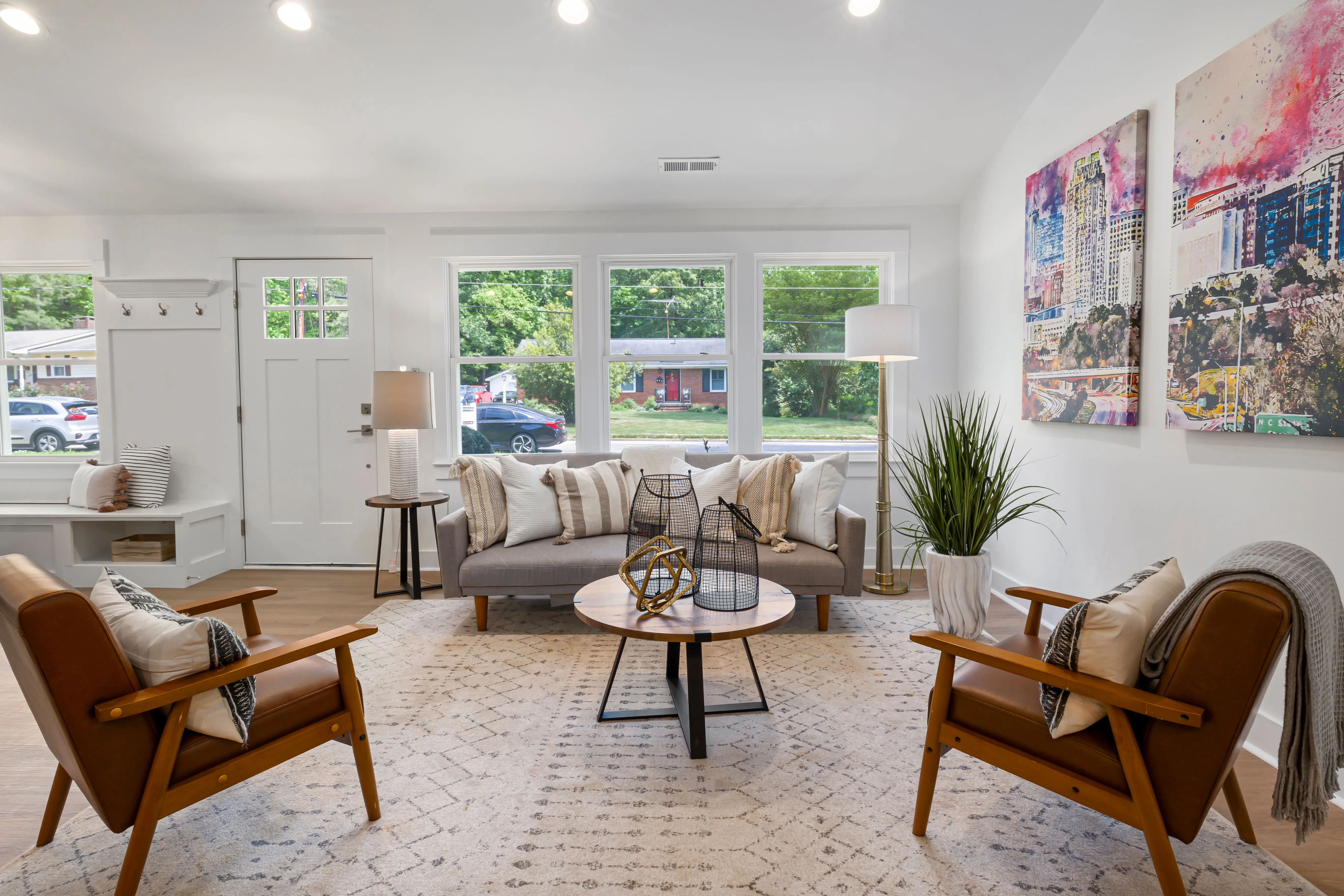
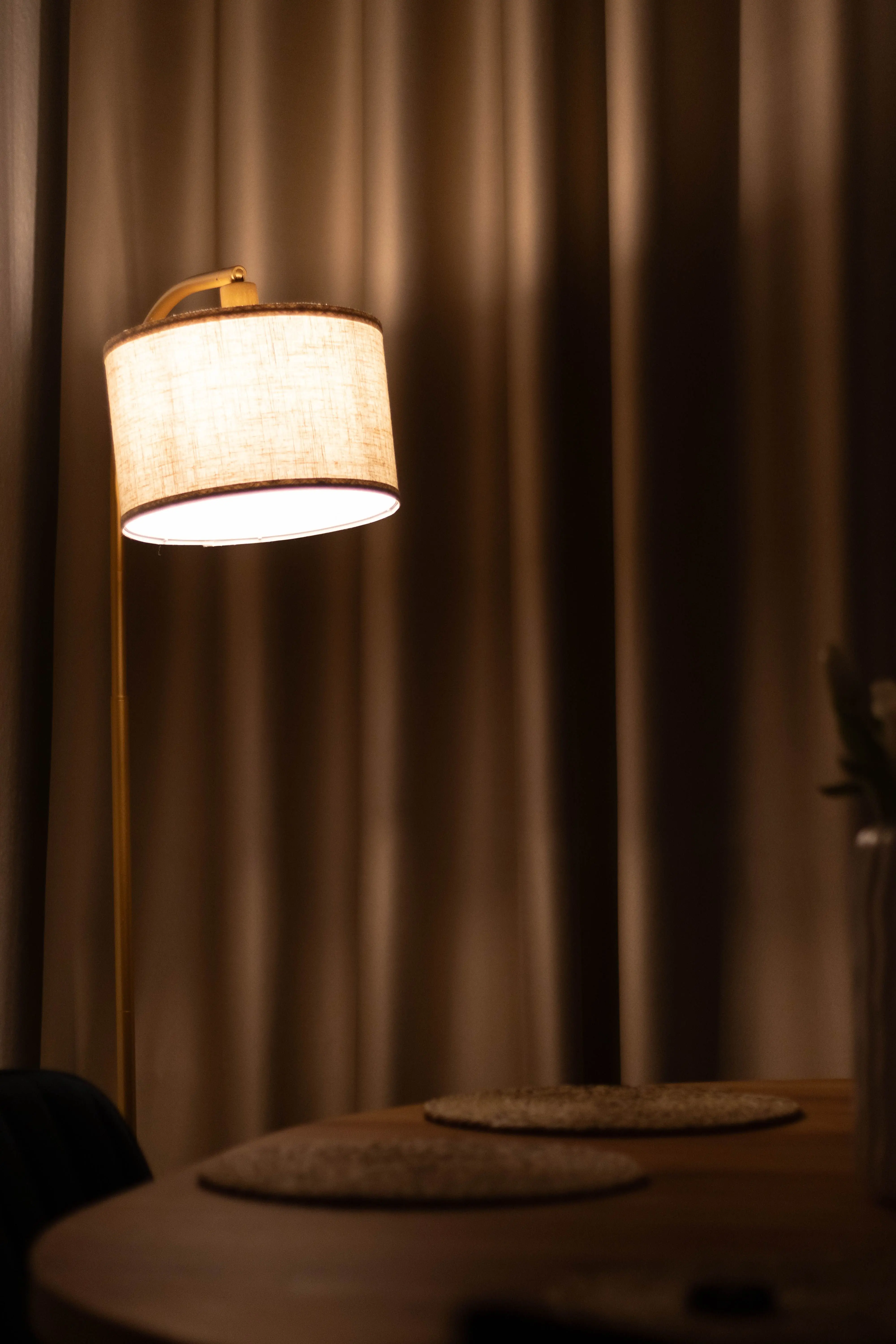
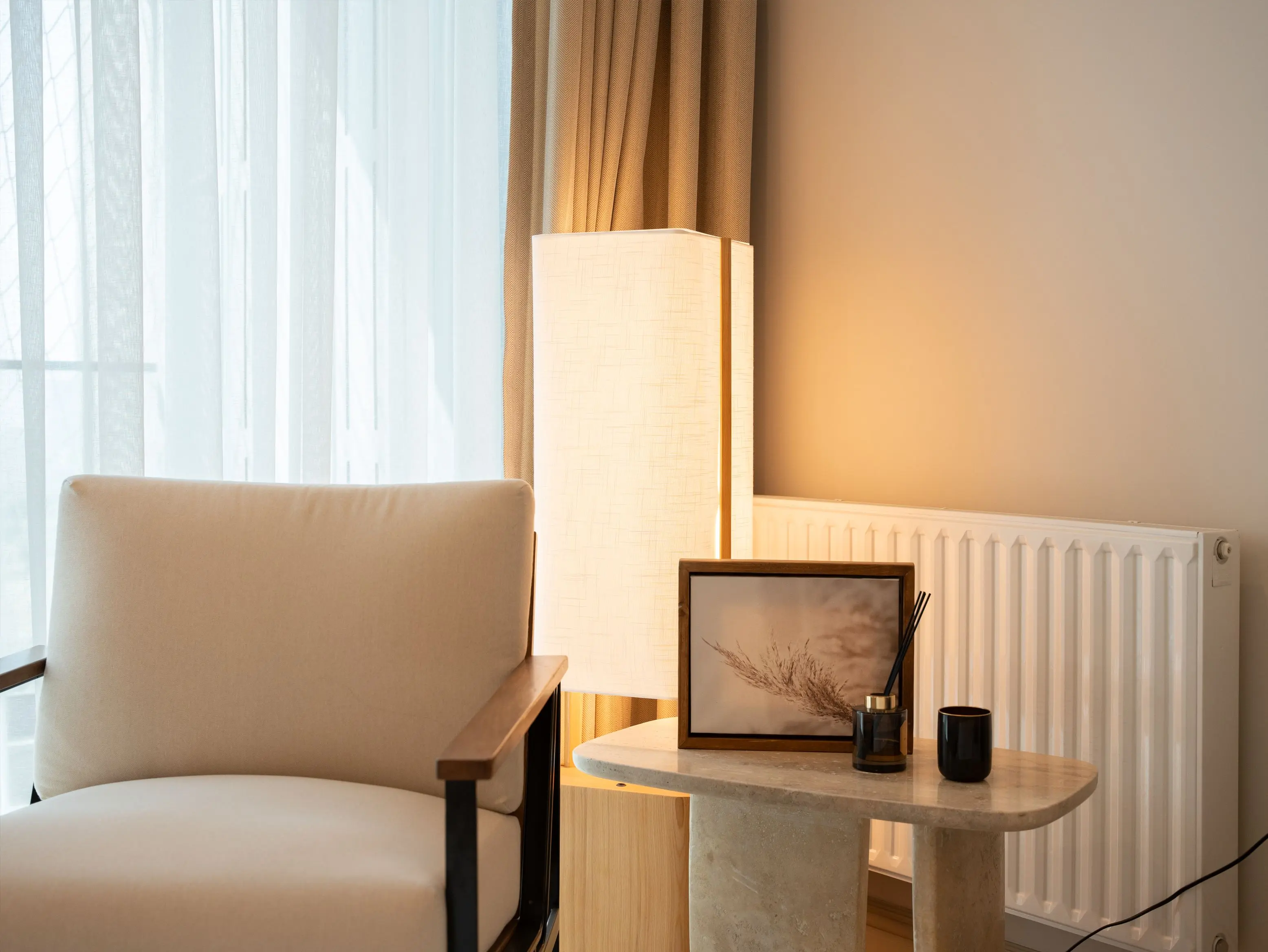
Nothing flattens a living room faster than one bright ceiling fixture doing all the work. (You know the one.) The coziest rooms I design always have at least three sources of light at different heights — a floor lamp in a corner, a table lamp or two, maybe a little accent light on a shelf. It's the difference between a room that feels like a doctor's waiting room and one you actually want to sink into at 9pm. Warm bulbs, always. Skip the cool white.
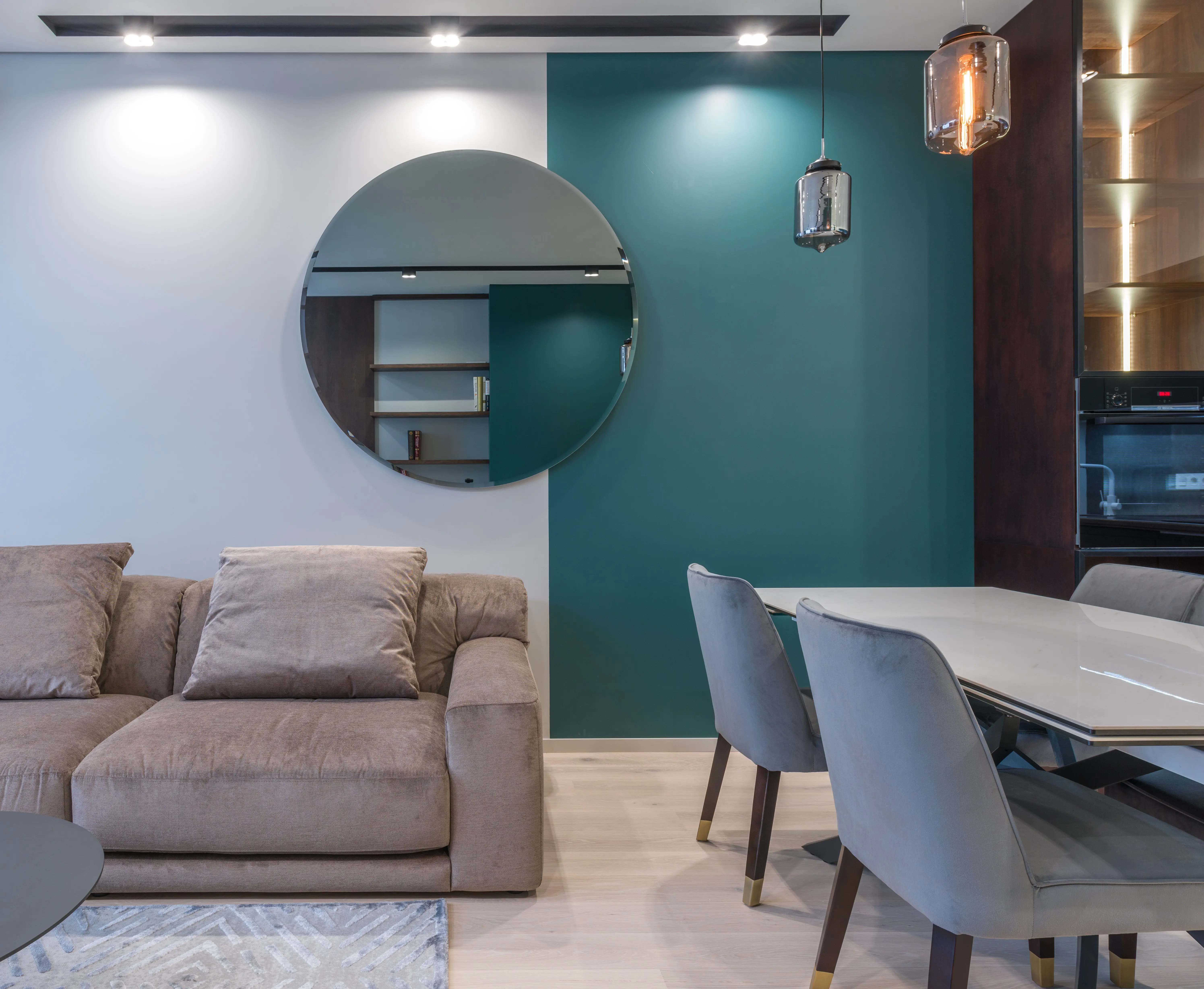
Old trick, still undefeated. Put a large mirror on the wall opposite a window and it throws that natural light right back into the room — brighter space, zero renovation. I lean on this constantly in north-facing rooms and small apartments that don't get much sun. And a good oversized mirror in a nice frame pulls double duty as art, so you're filling an empty wall and stealing light at the same time.
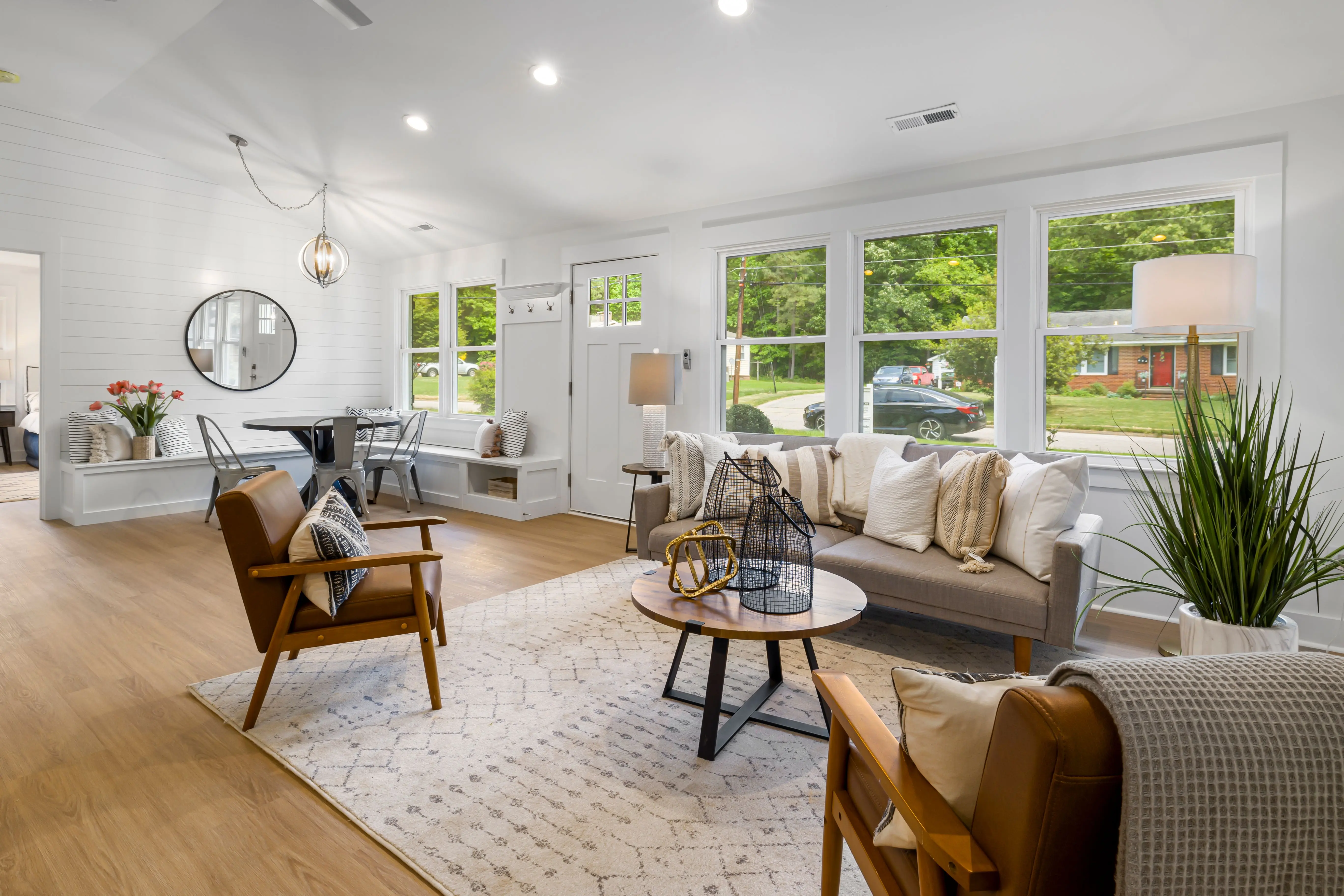
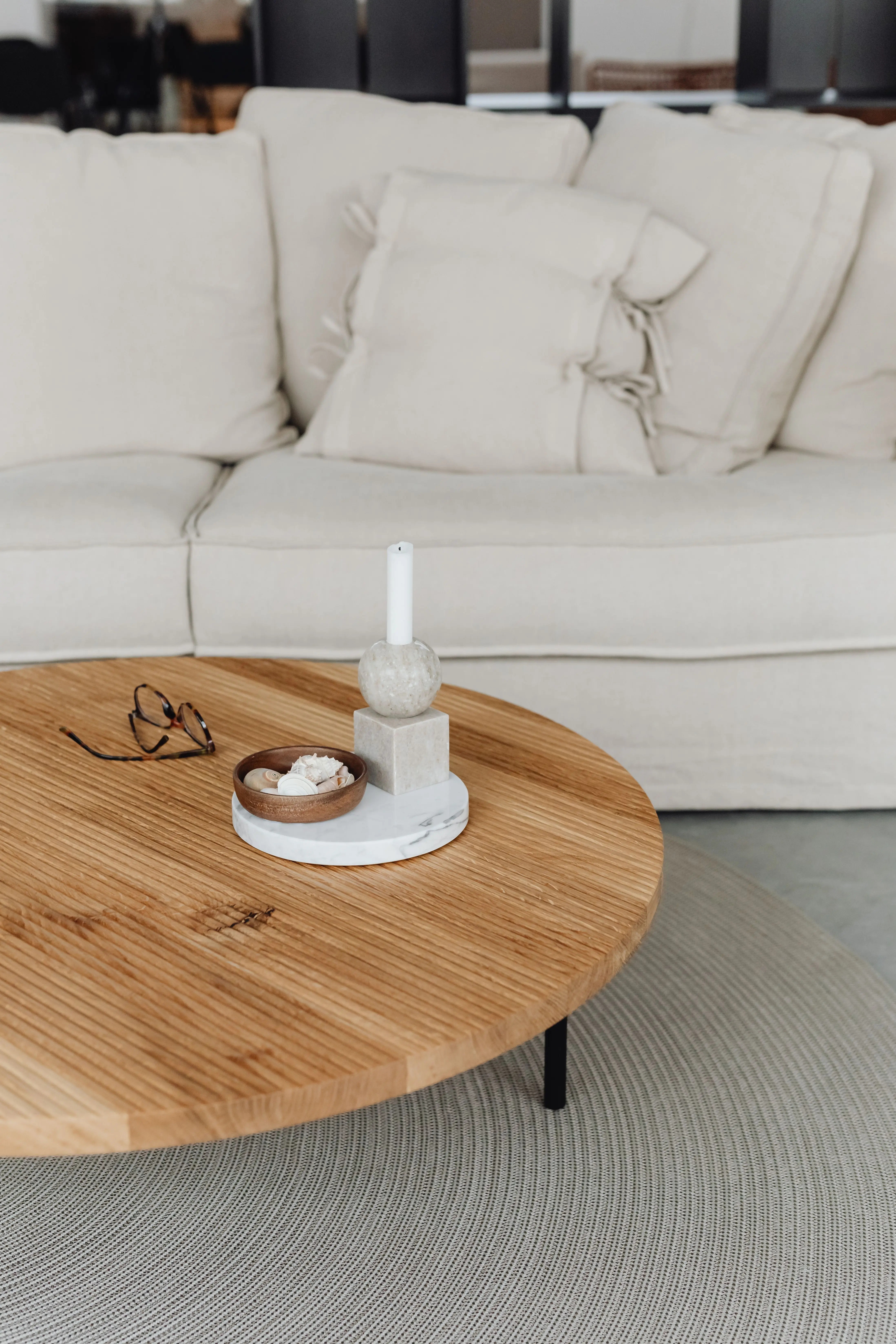
Here's the one that's hard to hear: most living rooms don't need more decor, they need less. A surface crowded with little objects reads as clutter, not personality. I'd rather see three things you genuinely love — one sculptural vase, a stack of good books, a single piece of art — with room to breathe around them. Curated always beats crowded. When in doubt, take something off the coffee table and see how the room feels.
Browse our favorite categories to bring these ideas to life. (Affiliate links — see our disclosure.)
None of this requires a renovation or a big budget — just a few smart calls: furniture that lets the floor show, a rug that's actually the right size, and lighting that isn't trying to do everything from the ceiling. Get those right and the rest falls into place. Want to keep going? Take a look at my bedroom and dining room guides next.